DIY arrangements versus florist service what to choose
Posted on 11/10/2026
Choosing between DIY arrangements versus florist service what to choose is one of those decisions that sounds simple at first, then suddenly isn't. You might be weighing up cost, time, style, stress, and whether you trust your own hands with a bunch of stems and a pair of snips. Or maybe you just want flowers that look lovely without spending your weekend in a kitchen full of wrapping paper, water buckets, and slightly chaotic optimism. Either way, the right answer depends on the occasion, your confidence, and how much control you want over the final look.
This guide breaks the choice down properly. You'll see what each option involves, where the real costs sit, when DIY makes sense, when a florist is the smarter call, and how to avoid the usual mistakes. We'll keep it practical, honest, and useful. No fluff. Just the kind of advice that helps you decide before you've bought too many roses and realised the vase is nowhere near big enough.
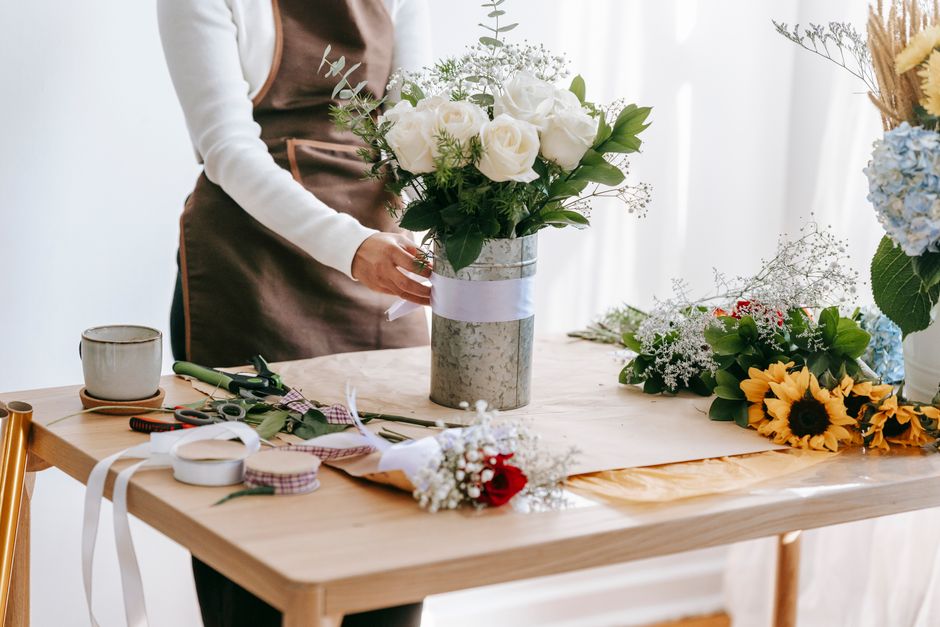
Why DIY arrangements versus florist service what to choose Matters
This choice matters because flowers are rarely just flowers. They carry a job to do. They might need to impress at a birthday dinner, soften a wedding table, say thank you, or help you show sympathy when words feel thin. The arrangement is part of the message, and that message can be changed by small details: shape, scale, freshness, colour balance, delivery timing, and even how well the bouquet survives a warm room or a long journey.
Let's face it: a lovely concept can unravel quickly if the roses open too soon, the ribbon slips, or the stems haven't been conditioned properly. DIY can be brilliant when you have the time and a steady hand. A florist service is often better when reliability, design skill, and presentation matter more than the hands-on fun. That is really the heart of it.
For readers in Hornsey N8 and nearby parts of North London, the decision can also be shaped by local timing. If you need flowers for a same-day surprise, a funeral tribute, or a wedding delivery, convenience starts to matter a lot. A reliable florist in Hornsey N8 can take pressure off when the day is already busy enough.
Expert summary: choose DIY when creativity, budget control, and flexibility matter most; choose a florist when consistency, time savings, and polished presentation matter more.
The real question is not "which is cheaper?" It's "which option gives the best result for this specific occasion?" That tiny shift changes everything.
How DIY arrangements versus florist service what to choose Works
DIY flower arranging usually starts with buying or gathering individual stems, then trimming, conditioning, grouping, and arranging them yourself. You choose the flowers, decide the style, and handle the practical side from start to finish. That can be wonderfully satisfying. It can also be slightly messy, which is fine, because flowers are not supposed to behave like office stationery.
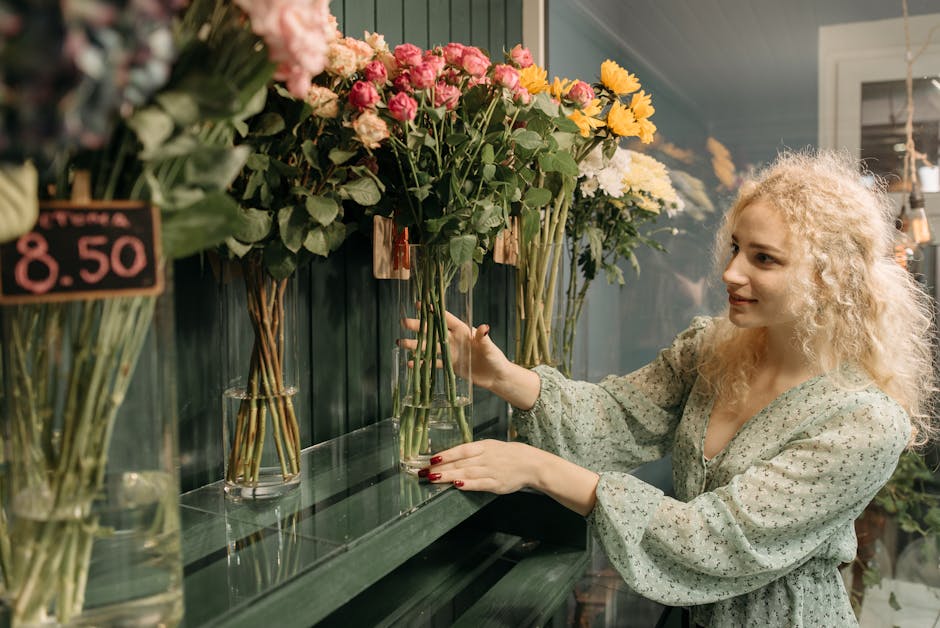
A florist service works differently. You tell the florist the occasion, budget, colour palette, and any must-haves, and they handle sourcing, conditioning, design, assembly, and often delivery too. In a good florist's hands, the arrangement is shaped around the event rather than just the flowers on the shelf. For busy weeks, that can be a proper relief.
In practical terms, the process often looks like this:
- DIY: choose stems, buy supplies, prep flowers, assemble, correct mistakes, transport, and set up.
- Florist service: brief the florist, confirm style and timing, approve the design direction, and receive a finished arrangement.
That difference sounds small until you are two hours in and the bouquet still looks a bit lopsided. It happens. More than people admit.
Florists also tend to work with designs that suit the season, the venue, and the purpose of the flowers. For example, a wedding bouquet may need different handling from a sympathy spray or a hand-tied birthday bunch. If you need something for a specific occasion, such as wedding flowers in Hornsey N8 or funeral flowers in Hornsey N8, a professional service usually brings structure and calm to the process.
Key Benefits and Practical Advantages
Both routes have real advantages. The better choice depends on what you value most.
Why people choose DIY arrangements
- Budget control: You can decide exactly where to spend and where to scale back.
- Creative freedom: You choose the style, colour mix, and texture without compromise.
- Personal touch: Handmade flowers can feel heartfelt and unique, especially for small gatherings.
- Flexibility: You can create something simple or playful without needing a full service package.
Why people choose florist service
- Professional finish: Florists understand balance, proportion, and stem handling.
- Time saving: No sourcing, prepping, or last-minute corrections on your side.
- Better reliability: The design is built to hold up for the event and the journey.
- Occasion support: Florists can guide you toward suitable flowers for birthdays, sympathy, weddings, or corporate gifts.
A florist is also useful when you want something specific but not overcomplicated. If you want to send flowers quickly, a service such as send flowers in Hornsey N8 or same-day flower delivery in Hornsey N8 can be a practical safety net. That sort of convenience matters when you've suddenly remembered an anniversary at 4:40 p.m. Yes, that exact scenario does happen.
DIY has emotional value too. A bouquet made by hand for a new baby, a thank-you gift, or a housewarming can feel thoughtful in a way a standard purchase sometimes doesn't. The trick is knowing when the handmade charm outweighs the risk of a less polished finish.
Who This Is For and When It Makes Sense
This decision suits anyone organising flowers for an event, a gift, or a personal project. But the best choice shifts depending on your situation.
DIY is usually a good fit if you:
- enjoy crafting or styling things yourself
- have a modest budget and want to stretch it
- are planning a small event with a relaxed feel
- have time to shop, prep, and troubleshoot
- don't mind a less uniform finish
A florist service makes more sense if you:
- need a polished result for a formal occasion
- have limited time or no spare energy
- want help choosing suitable flowers
- need delivery or coordinated set-up
- are ordering for a sensitive occasion and want it handled with care
In our experience, people often assume DIY is the cheaper route in every case. Sometimes yes. Sometimes no. If you need to buy tools, transport materials, replace damaged stems, and set aside several hours, the savings can shrink pretty quickly. For a one-off event, convenience may be worth more than the difference on paper.
Here's a simple rule of thumb: if the flowers are central to the moment, lean toward a florist. If the flowers are supporting the moment and you have time to spare, DIY may be the better fit.
Step-by-Step Guidance
If you're still torn, use this practical approach. It keeps the choice grounded and stops you from deciding based on a pretty Pinterest photo at 11 p.m. We've all been there.
Step 1: Define the occasion
Start with the event itself. A birthday bouquet, a wedding centrepiece, a sympathy arrangement, and a casual dinner table all ask for different things. The more formal or emotionally important the event, the more a florist service usually earns its keep.
Step 2: Set the budget honestly
Write down the full budget, not just the flowers. Include vases, ribbon, tape, scissors, transport, and any extra stems you might need if something goes wrong. For florist service, ask what is included. Delivery, wrapping, and card inserts may matter more than you expect.
Step 3: Count your time
If you have a free afternoon and enjoy the process, DIY can be satisfying. If your schedule is packed, the time cost may outweigh the money saved. A good arrangement needs prep. Fresh stems need conditioning. That part is not optional.
Step 4: Consider skill and confidence
Be honest. If you know how to cut stems on an angle, remove lower leaves, balance height, and work with flower food, DIY is more realistic. If those terms sound vaguely familiar but not exactly reassuring, a florist may be the safer bet.
Step 5: Match the style to the setting
Loose and natural styles can suit DIY well. Structured bridal work, coordinated corporate flowers, and memorial tributes usually benefit from professional design. For example, if you're looking at categories such as weddings, funerals, or birthday flowers, you'll often notice that the presentation needs to be consistent and event-appropriate.
Step 6: Decide who is responsible if things go wrong
This sounds blunt, but it matters. If you're DIYing the flowers and the weather turns hot, the bouquet bruises in transit, or the arrangement needs correcting on the day, that's on you. A florist service usually reduces that risk because the finished piece is designed and prepared professionally.
Expert Tips for Better Results
These are the kinds of small details that make the difference between "nice enough" and "actually lovely".
- Buy flowers at the right stage: Some blooms should be tighter for transport and opening later, while others are best when already partially open.
- Use clean tools: Dirty scissors or buckets shorten vase life. Not glamorous, but true.
- Condition stems properly: Trim stems, remove leaves below waterline, and let flowers drink before arranging.
- Keep the palette restrained: Two or three colours often look more considered than eight.
- Mind scale: A tiny table arrangement can get lost in a large room, while an oversized bouquet can crowd a modest table.
- Think about the journey: Flowers that need to travel should be packed and supported carefully.
If you are ordering from a florist, give clear briefings. Mention the venue, the table size, the recipient's taste, and whether you want something airy, compact, traditional, or modern. A florist can only design well if they know what they're aiming for. Vague briefs tend to produce vague results. Strange how that works.
For everyday gifts, a seasonal selection is often the smartest move. It usually gives better value and a fresher look. If you're comparing options, browse categories like all flowers, best sellers, or florist choice to see what a professional florist recommends when the brief is simple but the result still needs to feel special.
Common Mistakes to Avoid
Some mistakes show up again and again. Luckily, most are easy to avoid once you know what to look for.
- Assuming DIY is always cheaper: Supplies and wasted stems can add up fast.
- Buying flowers too early: Freshness matters, especially if the event is not until the next day.
- Choosing difficult flowers without experience: Some stems are fussier than they look.
- Ignoring transport: A perfect arrangement can be ruined by a warm car boot and a sharp corner.
- Overcomplicating the design: Too many varieties can make a bouquet look busy rather than elegant.
- Not checking the final scale: The arrangement may look lovely on a counter and tiny on a banquet table.
For florist orders, a common mistake is ordering too late and expecting a highly specific design with little notice. Same-day and next-day options are useful, but the best results still come from giving a florist enough time. If speed is the priority, a service like next-day flower delivery in Hornsey N8 is often a more realistic compromise than trying to reinvent a wedding bouquet on your lunch break.
Another one: not being honest about the environment. Flowers for a cool hallway behave differently from flowers for a sunny room, and flowers for a church, office, or reception desk need different handling. Tiny detail. Big difference.
Tools, Resources and Recommendations
If you're doing flowers yourself, a few basic tools make life much easier. Nothing fancy. Just the right kit.
Useful DIY tools
- sharp floral snips or clean secateurs
- clean buckets or deep containers
- glass or ceramic vases of different heights
- floral tape and ribbon
- flower food
- paper towels and a small cloth
- waterproof wrapping or transport sleeves if needed
Helpful florist-led options
- pre-made bouquets for quick gifting
- flower subscriptions for regular delivery
- occasion-specific ranges for birthdays, sympathy, weddings, and thank-you gifts
- flower care guidance for keeping arrangements fresh longer
If you want to keep flowers looking good after they arrive, use proper aftercare. A florist's advice on water changes, stem trimming, and room placement can make a surprising difference. You can also look for specialist guidance such as flower care if you want to get more life from the arrangement once it's in the vase.
For peace of mind on delivery and service expectations, it also helps to read practical information about delivery, returns and refund, and guarantees. That's not glamorous reading, granted, but it is the sort of thing that saves trouble later.
Law, Compliance, Standards, or Best Practice
For most readers, there is no complex legal hurdle in choosing DIY arrangements versus florist service what to choose. Still, best practice matters. If you are sending flowers to a venue, business, or public setting, make sure the recipient has agreed to accept them and that any delivery details are correct. Simple, but people forget it.
If your flowers are for a wedding, funeral, or corporate event, venue rules may affect timing, access, parking, or where items can be placed. In London especially, loading restrictions and access limitations can catch people out. A florist will usually factor in practical delivery issues, which is one reason professional service can feel easier on the day.
For DIY arrangements, hygiene and freshness are the main standards to keep in mind. Use clean containers, fresh water, and tidy tools. If flowers are for a memorial or charity setting, handle them respectfully and clearly label anything that needs to be placed in a specific location. That's just common sense, but it matters.
If you are ordering through a professional florist, it is sensible to review the website information on terms and conditions, privacy policy, and payment. It helps you know what happens if delivery times shift or if you need to change an order. Calm, clear expectations beat guesswork every time.
Options, Methods, or Comparison Table
Here is the clearest way to compare both options side by side.
| Factor | DIY arrangements | Florist service |
|---|---|---|
| Cost | Can be cheaper for small, simple designs, but supplies and waste can add up. | Usually costs more upfront, but includes skill, sourcing, and convenience. |
| Time | Needs shopping, prep, arranging, and cleanup. | Saves time because the florist handles the work. |
| Skill level | Best for confident beginners or hobbyists. | Best for professional finish and complex designs. |
| Flexibility | High flexibility if you enjoy experimenting. | Flexible within the florist's design brief and available stock. |
| Presentation | Can be beautiful, but results vary. | Typically more polished and consistent. |
| Stress level | Higher if the flowers matter a lot or time is tight. | Lower, especially for important events. |
If you want something simple and inexpensive for a gesture gift, DIY can be enough. If you want a bouquet that looks balanced from every angle, florist service usually wins. Truth be told, that's why many people mix both approaches: DIY for casual home styling, florist for the big moments.
For example, a customer might choose a florist arrangement for a wedding or sympathy tribute, but still use DIY stems at home for a weekend table display. That is often the smartest split. No need to make everything an either-or argument.
Case Study or Real-World Example
Imagine a Saturday birthday lunch in North London. The host wants flowers on the table, something cheerful but not overblown. They have a few hours in the morning and enjoy arranging flowers, so DIY is tempting. They pick seasonal stems, trim them carefully, and make a loose arrangement in a low vase. It looks fresh, relaxed, and personal. For that kind of setting, DIY is a perfectly good choice.
Now picture the same person needing flowers for a 7 a.m. venue drop-off the next day, with a formal table plan and a room full of guests. Suddenly the question changes. The arrangement has to look right, stay fresh, match the venue, and arrive on time. That is where a florist service becomes the practical answer, not the fancy one.
Another common example is sympathy flowers. Families often want something respectful, elegant, and correctly worded, but they may not have the emotional bandwidth to make it themselves. In those moments, professional handling matters. A well-chosen arrangement from a florist can reduce one more thing to worry about. That's not small.
For those occasions, it may be more useful to look at dedicated ranges like sympathy flowers or wreaths rather than trying to build the piece from scratch. The result is usually calmer, more appropriate, and easier to organise.
Practical Checklist
Use this quick checklist before you decide.
- Do I have enough time to source and arrange the flowers properly?
- Is the occasion casual, or does it need a polished finish?
- Do I have the right tools and containers?
- Am I comfortable with basic flower conditioning?
- Would a florist save stress, delivery issues, or last-minute panic?
- Is the budget tight enough that DIY genuinely helps?
- Do I need specific flowers, colours, or a themed design?
- Will the flowers need to travel far or survive a long event?
- Could I choose a florist option without losing the personal feel?
- Do I want to enjoy the process, or simply enjoy the result?
If you can tick more boxes under "calm, simple, and beautiful," a florist may be the better route. If you tick more boxes under "hands-on, relaxed, and creative," DIY could be just right. No drama. Just a sensible fit.
Get a free quote today and see how much you can save.
Conclusion
DIY arrangements versus florist service what to choose comes down to three things: time, confidence, and the importance of the occasion. DIY gives you creative control and a personal touch, while a florist gives you convenience, expertise, and a more reliable finish. Neither is automatically better. The better choice is the one that suits the moment in front of you.
If the flowers are for a relaxed meal at home, a simple DIY arrangement can be lovely. If they are for a wedding, a funeral, or any moment where everything needs to feel carefully handled, a florist service is usually the wiser choice. That balance is really what most people are looking for, even if they don't say it out loud.
And if you're still unsure, that's normal. Flowers carry feeling, and feeling does not always fit into a neat decision tree. Take your time, choose the option that gives you the most peace of mind, and let the flowers do what they're meant to do: make the moment feel a little more human.
Frequently Asked Questions
Is DIY always cheaper than using a florist?
Not always. DIY can be cheaper for small, simple arrangements, but once you add tools, transport, waste, and replacement stems, the gap can shrink. A florist may cost more upfront but save time and reduce mistakes.
When should I choose a florist instead of DIY?
Choose a florist when the occasion is formal, time is tight, the flowers need to look polished, or the arrangement has to travel and hold up well. Weddings, funerals, and last-minute gifts are common examples.
Can beginners make good DIY flower arrangements?
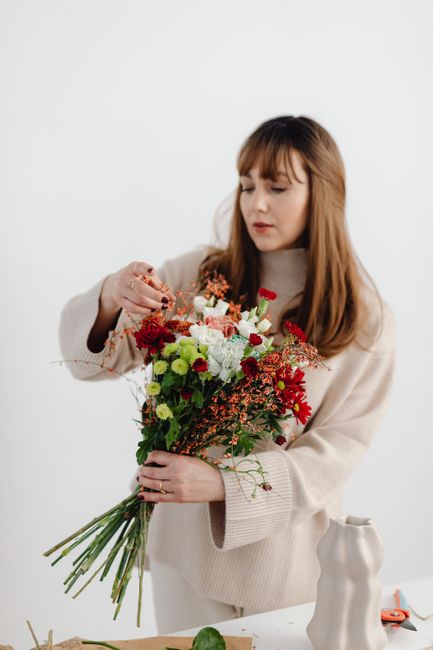
Yes, absolutely. Start with simple stems, a small colour palette, and a loose hand-tied style. Keep expectations realistic. The first one may not look magazine-perfect, but it can still be charming.
What flowers are easiest for DIY arrangements?
Hardier flowers such as roses, carnations, alstroemeria, chrysanthemums, and mixed seasonal stems are usually easier for beginners. They tend to be more forgiving while you get used to spacing and balance.
How far in advance can I make a DIY arrangement?
Ideally, make it as close to the event as practical. Many flowers last better when arranged the day before or on the same day, depending on the type and conditions. Fresh water and cool storage help.
Do florists offer better quality flowers than supermarkets?
Often yes, especially for design, selection, and presentation. Quality also depends on how the flowers are handled and how quickly they are used. A florist usually has more control over the final result.
Is florist service worth it for a small gift?
It can be. If the gift is important, time is limited, or you want the bouquet delivered beautifully, florist service is often worth the extra spend. For casual occasions, DIY or a simpler florist option may be enough.
What is the biggest DIY flower arranging mistake people make?
The biggest mistake is usually underestimating the prep. People buy flowers and assume the arranging part will be quick, but conditioning, trimming, balance, and cleanup all take time. That's where things get a bit more real.
Can I mix DIY flowers with a florist order?
Yes, and it can work very well. Some people order the main bouquet or event arrangements from a florist and use DIY flowers for smaller tables or home decor. It's a sensible way to balance budget and presentation.
What should I ask a florist before ordering?
Ask what is included, whether delivery is available, how fresh the flowers will be, what happens if a stem type is unavailable, and how far in advance you should order. Clear questions usually lead to better results.
Are florist subscriptions a good alternative to DIY?
They can be. If you like having fresh flowers regularly without the effort of arranging them yourself, a subscription can be a convenient middle ground. It gives you freshness and variety without the weekly hassle.
How do I decide quickly between DIY and a florist?
Ask yourself: do I have the time, skill, and calm to do this properly? If the answer is yes, DIY may suit you. If the answer is no, or even a hesitant maybe, a florist is probably the safer and better-looking option.